
Building muscle is simple in theory and messy in practice. The core drivers are obvious: pick good exercises, lift with a plan, push your limits, and eat enough protein and calories. The details — how many sets, which exercises, how close to failure, and whether to use fancy tricks like partials — are where progress stalls or accelerates. Below is a research-backed, no-nonsense blueprint that distills a decade of hypertrophy science into an actionable program you can follow for months.
Table of Contents
- How to pick exercises (and how many)
- When to change exercises
- How much volume and how often
- A practical split: the upper-lower
- Rep ranges, load selection, and progressive overload
- How hard should you train? RIR and failure
- The lengthened partials hack — use them correctly
- Nutrition: calories — how much to eat to maximize muscle gain
- Nutrition: protein — the non-negotiable
- Putting all of this together: a step-by-step muscle-building blueprint
- Sample 4-week microcycle (example)
- Common mistakes and how to fix them
- FAQ
- Final thoughts
How to pick exercises (and how many)
Exercise choice is crucial, but not in the way that most people perceive it. A constant shift of exercises or 18 separate movements for each workout is not a necessity. The right combination of 2 to 4 exercises for each muscle group for a week, along with the right number of sets and intensity, is a sufficient ground for improvement.

What a smart approach to exercise! Indeed, looking at the exercises as a set of movements that one can perform and progressively add weights to is a much more practical way to get targeted muscle work and development, especially for the muscles that require multi-joint and single-joint strength train interventions for optimum growth. Besides the planes of motion, you can think through the unique stimulus each muscles group will receive based on the exercise pattern. With respect to this concept, I have compiled a list of equipment based on the compound and isolation exercises which need to be performed in a circuit training style for a particular muscle group. You can use it as a basis for creating your workouts with variations to be done throughout the weeks.
Chest
- Primary compound: Flat barbell or dumbbell press
- Secondary compound: Incline press
- Isolation: Flies (cable or dumbbell)
Back
- Vertical pull: Pull ups or pulldowns
- Horizontal pull: Rows (barbell, dumbbell, or cable)
- Deadlifts: Conventional or variations with strict technique
- Thickness builder: Flexion rows — let the upper back curl at the bottom, then finish with a strong chest-up contraction for added thickness
Shoulders
- Side delts (priority): Dumbbell lateral raises (seated or standing), cable laterals
- Rear delts: Mostly hit indirectly through good back work; add targeted rear delt raises as needed
- Front delts: Largely trained via presses
Arms
- Biceps: Curls from a stretched position — incline dumbbell curls, cables, or preacher variations behind the back
- Triceps: Use three types: overhead movements (long head stretch), isolation extensions (rope or straight-bar pushdowns), and compound pressing
Legs
- Quads: High-bar barbell squats, leg press, front-focused lunges, leg extensions
- Hamstrings: Hip-hinge variants — Romanian or stiff-leg deadlifts, plus seated and lying leg curls (seated tends to place hamstrings at a greater stretch)
- Glutes: Lunges (front foot elevated, weight on front leg), hip thrusts, very deep sumo squats
- Calves: Prioritize straight-leg calf raises to pre-stretch the gastrocnemius — hold the bottom for 2 to 4 seconds and drive up
The conclusion: Select 2 to 4 complementary exercises for each muscle group and continue doing them long enough to see progress in measurable terms. Don't switch exercises every week; rather, substitute only when there is no progress, hurt or when there is boredom.
When to change exercises
Excessive variety is not helpful, in fact, it is counterproductive. A constant change of exercises hampers your assimilation and challenging with the same movements. It is not necessary to constantly change workouts. The following list of basic requirements can help you determine whether or not to maintain or change an exercise:
- If you are getting pumped, sore in the right places, making strength or rep progress, and the movement feels joint-friendly — keep it.
- If the exercise causes persistent joint pain, repeatedly ruins your recovery, or you're simply not progressing despite effort — swap to an equivalent candidate from your exercise shortlist.
- If an exercise just bores you but still produces gains, you can keep it — but variety matters for long-term adherence. Rotate in new ones periodically, not weekly.

How much volume and how often
The amount of training volume (sets per muscle per week) is one of the most variable factors in strength and muscle development, but it is not the only factor. The recommended training volume for most people is 10 to 20 sets per muscle per week. This range is broad, of course, and people are different — some get better results at the lower end, others need to do more, and difficult muscles may have to be trained even more.
Key principles for volume and frequency:
- Beginners: Focus less on exact set totals and more on learning movement patterns and consistency for the first several months.
- Intermediates and advanced lifters: Aim for 10 to 20 sets per muscle per week. Use specialization blocks if a muscle lags — temporarily increase its weekly sets while keeping other muscles at maintenance volume.
- Distribution: Spreading sets across multiple sessions per week is often better than cramming them into a single workout. For example, 16 chest sets are better split into 8 + 8 across two sessions than as 16 straight in one day.
Frequency: once vs more than once per week
Studies indicate that at a small weekly volume (about 8 to 10 sets), training a muscle more than once per week rather than a single time won't necessarily lead to bigger gains. But if a weekly volume is continued to be raised above the small number, the muscle training spread through several workouts should be the way to go for both muscle growth and recovery.
A practical split: the upper-lower
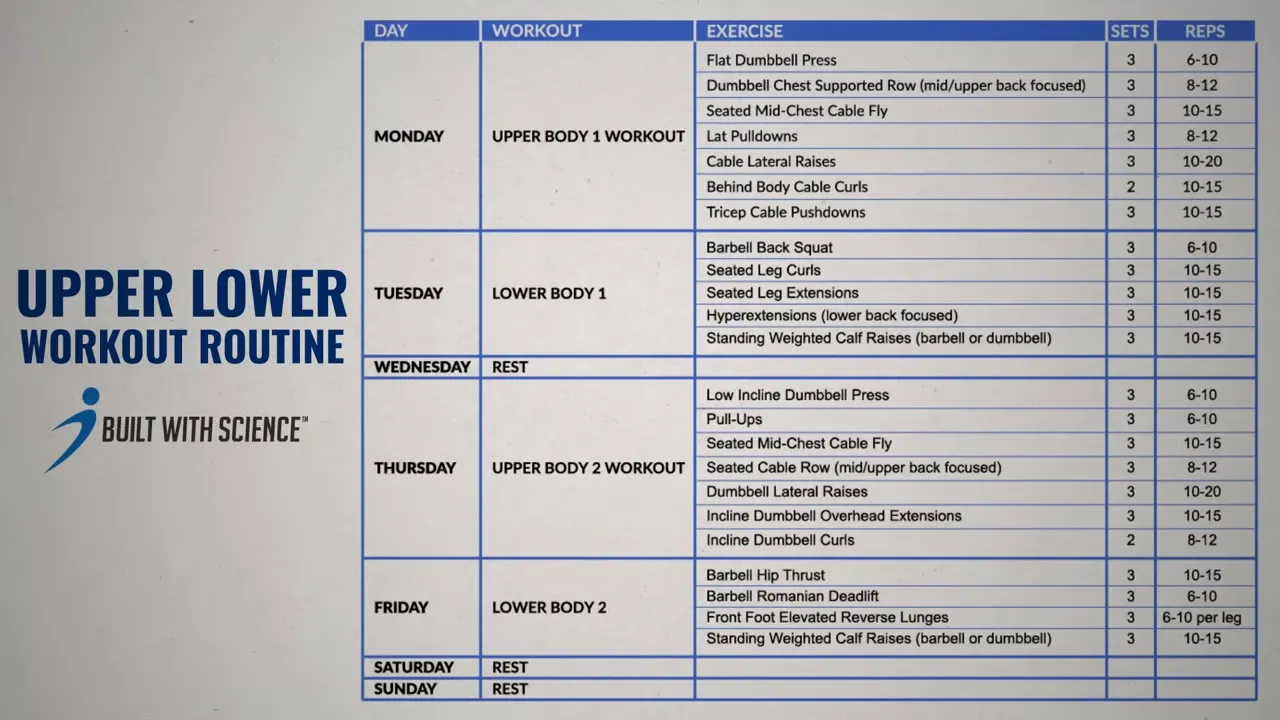
For most people the upper-lower split is the simplest, most flexible way to hit volume and frequency sweet spots. A typical four-day upper-lower week can look like this:
- Upper A: Heavy press focus, rows, accessory chest, rows, side delts, biceps/triceps
- Lower A: Squats (or a quad-dominant variation), hamstring accessory, glute work, calves, leg curls or extensions
- Upper B: Vertical pull emphasis, incline press, deadlift variation or heavy row, lateral raises, arm isolation
- Lower B: Hip hinges (Romanian deadlift/hip thrust), front-focused lunges or leg press, deep sumo or glute-focused squat, calves
Tailor: for a particularly strong muscle, if you need more volume, include a brief third session or rearrange the number of sets between two upper or lower days. Keeping the total number of weekly sets within your target range for every muscle group is a must.
Rep ranges, load selection, and progressive overload
Hypertrophy can occur in several rep and load combinations that are surprising to you. Muscle can grow from heavy low reps to high-rep sets, if you are able to fatigue supply adequately and use progressive overload. The practically applicable point for most exercises and lifters is within the range of 5 to 15 reps, and the convenient target zone is 8 to 12 reps for the majority of your work.
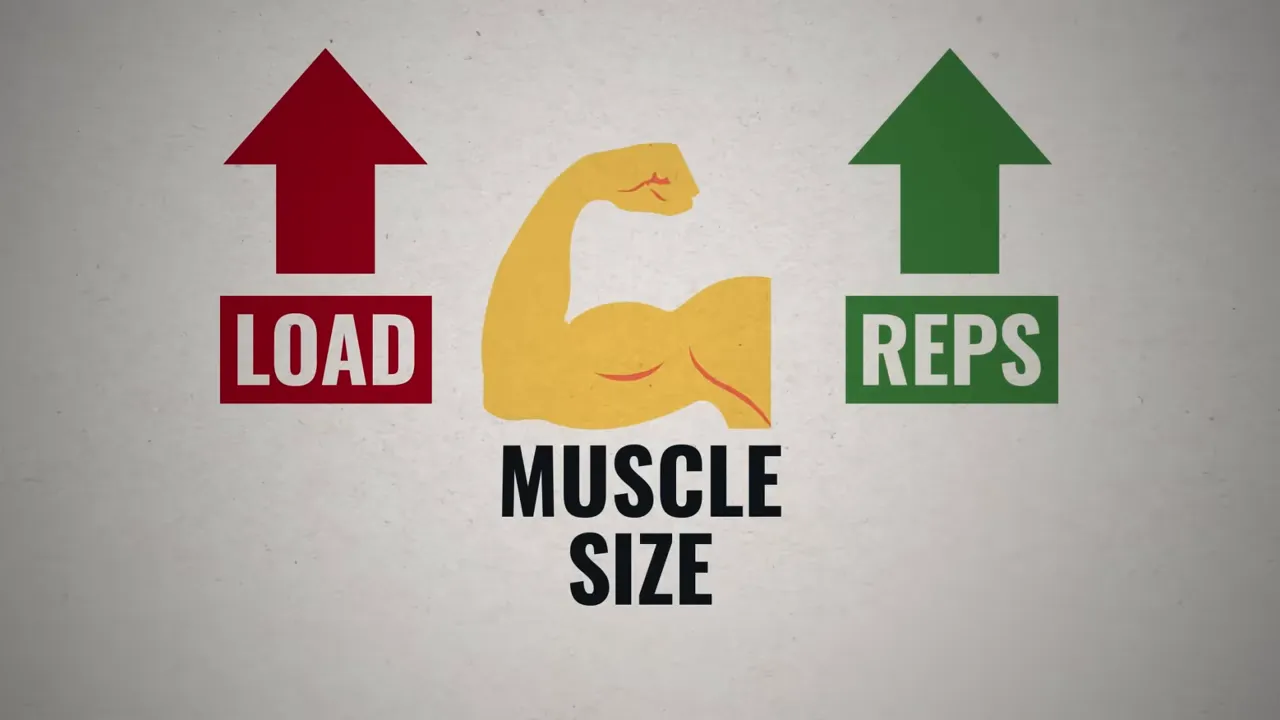
Try to keep your overall load nearly the same until you reach double progression the goal of your workout to attain. The first rule: Please ensure that you maintain your total load close to the previous level, by increasing the weight, say, for another exercise.
- Pick a target rep range (for example 8 to 12).
- Use the same weight until you can perform the top number of reps (12) with good form for all sets.
- Once you can hit the top of the range for your reps, increase weight slightly and drop back toward the bottom of the range, and repeat the process.
By employing double progression, which involves increasing the number of reps or resistance while avoiding jumps that are too large, it is possible to ensure the steady improvement of each weekly workflow. It is indeed a method that is rational, totally dependent on science, and is also appropriate for those whose main goal is hypertrophy.
How hard should you train? RIR and failure
Intensity is often contentious: is it imperative to do every set to the absolute limit? The abbreviated response is no. Training to failure can lead to a bit more growth in single sets when considered independently but comes with a higher fatigue cost and might negatively impact overall recovery if overused.
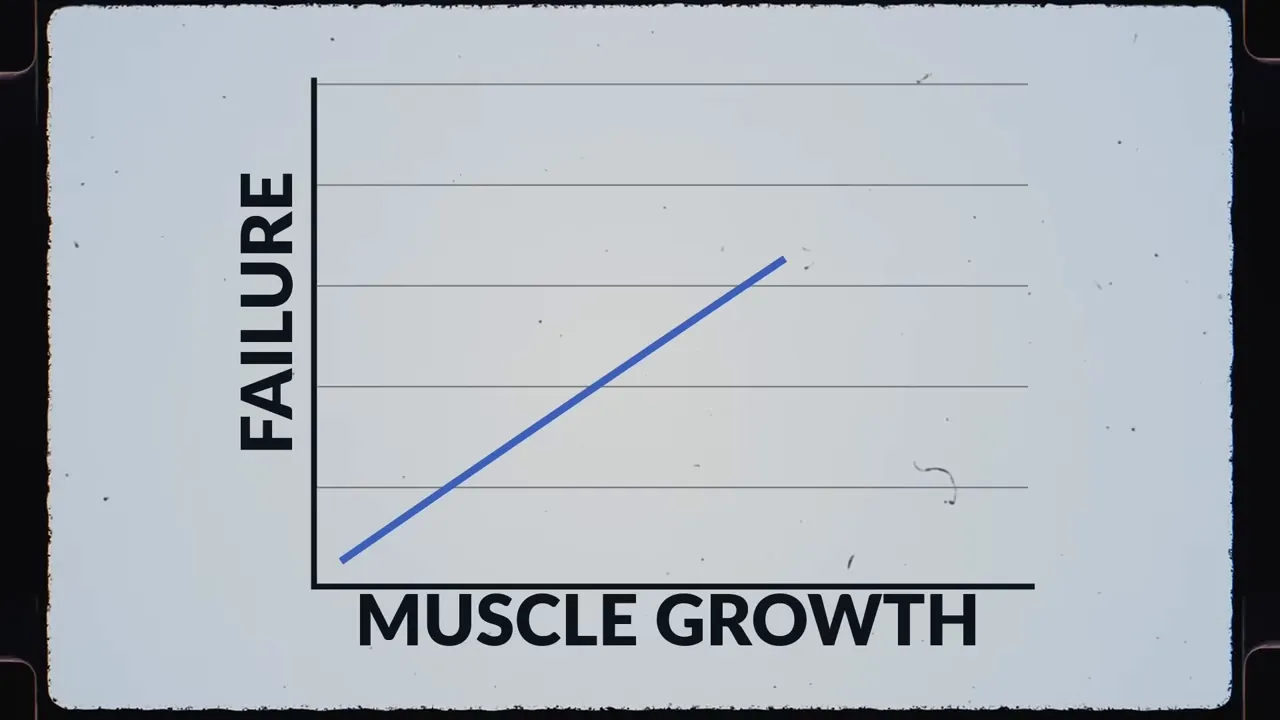
A pragmatic approach works best:
- Most sets: train 2 to 3 reps in reserve (RIR). This means stopping when you could still squeeze out about 2 to 3 more reps with perfect form.
- Last set for an exercise: take it closer to or to momentary failure. This gives the session the necessary intensity stimulus without wrecking recovery.
- Beginners: prioritise safe technique and leave heavier, closer-to-failure work for when lifting competency and recovery are established.
One more nuance: much of the failure vs non-failure data comes from studies using average volumes around 10 sets per muscle per week. How RIR interacts with much higher weekly volumes is still an open question. There may be multiple viable strategies: higher volume with more buffer from failure, or lower volume with more frequent near-failure sets. Your preference, recovery, and how you measure progress should guide the choice.
The lengthened partials hack — use them correctly
There is an emerging hypertrophy technique that produces meaningful additional growth in several studies: performing partial-range reps at the lengthened position of the muscle, often called lengthened partials. In practice this means training the muscle in the stretched portion of its range of motion for half-reps rather than full-range reps.
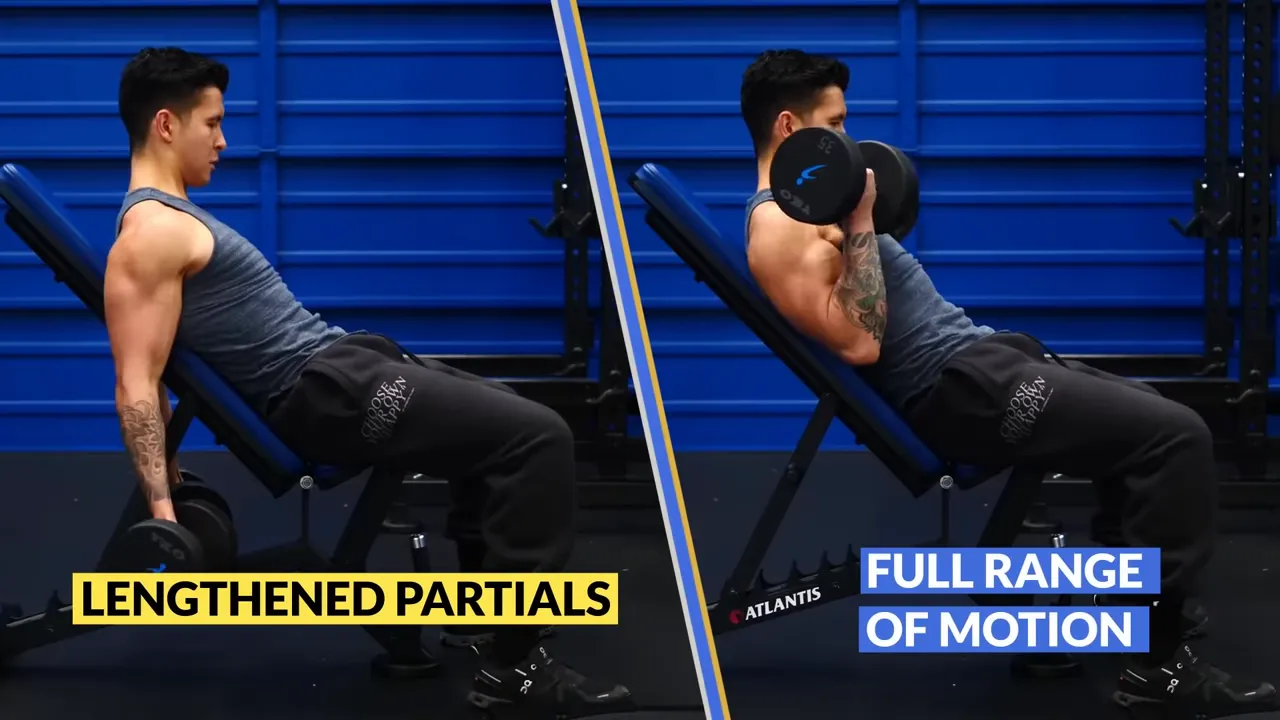
Key findings and application:
- Across multiple studies lengthened partials produced between about 5 to 15 percent faster growth compared with regular full-range sets, with most studies favoring the partials.
- A commonly studied version uses about 50 percent of the full range, focused in the lengthened position (so you are spending time under tension where the muscle is stretched).
- Best used on safe, controlled isolation and many back and chest fly movements. Avoid lengthened partials in exercises where going to failure in a shortened range may be dangerous (for example heavy back squats or unsupported benching).
- Practical implementation: replace about half your sets on suitable exercises with lengthened partials, or add partials at the end of a set when full-range reps fail. Many lifters find benefit from using lengthened partials for roughly 50 percent of their training on compatible exercises.
In the case that your main goal is purely hypertrophy and you are the one who can deal with higher local fatigue, biased lengthened partials can act as a very effective shortcut. For trainees, first, you need to teach the complete range of motion; after they learn it, they can include partials safely in some workouts.
Nutrition: calories — how much to eat to maximize muscle gain
Training creates the stimulus, but nutrition determines how much muscle is actually built. Calories dictate the energy balance that allows tissue growth and recovery. The correct surplus depends on experience and current body fat.
Guidelines for planning a bulk:
- If you are relatively lean and experienced: a modest surplus is best. For advanced lifters aim for a 100 to 200 calorie surplus and target weight gains around 0.5 to 1 percent of bodyweight per month.
- Intermediates: a slightly larger surplus — roughly 200 to 300 calories — and a monthly weight gain target around 1 percent of bodyweight is reasonable.
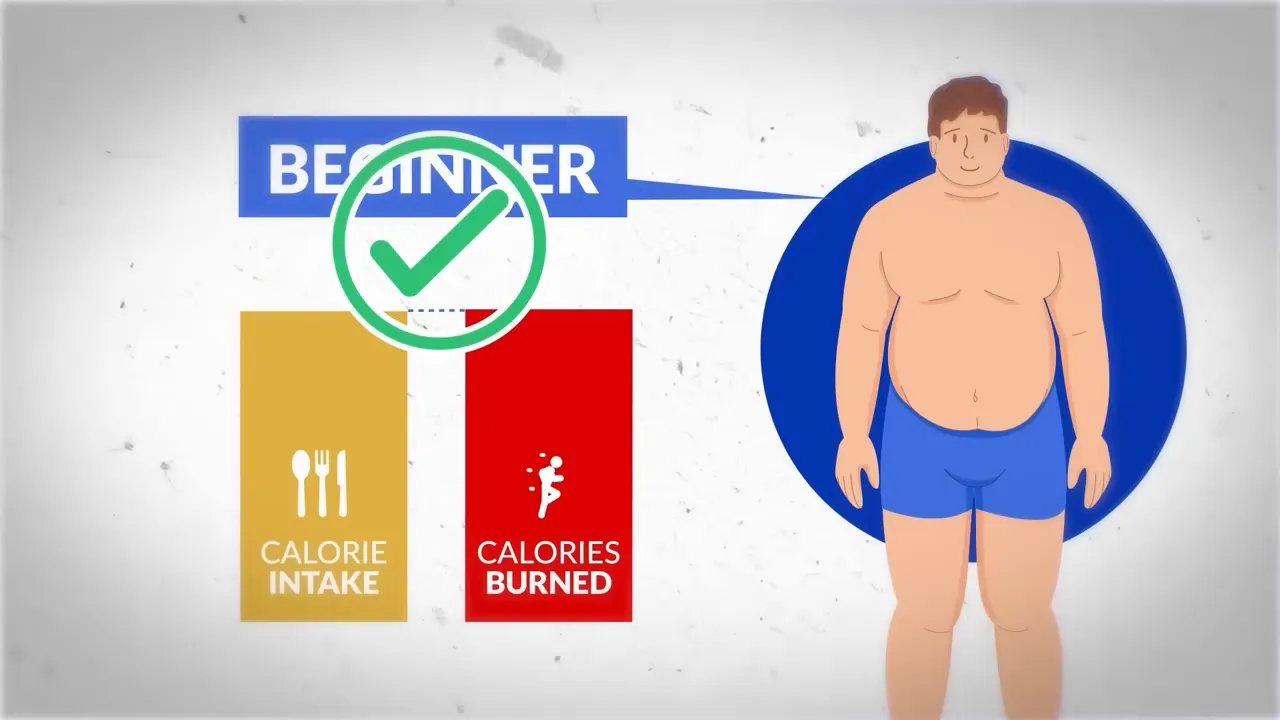
- Beginners: those new to resistance training can accept a larger surplus. Beginner lifters seeing their first gains can sometimes add muscle rapidly. A practical target is roughly a 300 to 500 calorie surplus, aiming for up to 2 percent bodyweight gain per month. Young, untrained males have shown near-exclusive lean mass gains in extreme cases, but that phenomenon is specific to complete novices.
- If you are higher in body fat to start: consider training at maintenance or a small deficit while prioritising protein and progressive overload. Many such lifters can still gain muscle at maintenance or a slight deficit early on.
A person should adjust the pace of their weight increase dependent on their experience and body composition. In this case, it must be noted that fast weight gain after the initial gaining phase is not always advisable. This is due to the fact that as the calorie surplus becomes bigger, you tend to gain more fat than muscle.
Nutrition: protein — the non-negotiable
When it comes to hypertrophy, protein is the primary macronutrient. The optimal protein intake that is recommended by numerous studies is between 1.6 to 2.2 grams of protein per kilogram of body weight per day, which is roughly 0.7 to 1.0 grams per protein of body weight per day. The daily suggested intake accounts for 90 to 95 percent of the dietary optimization you require to boost your muscle growth.

Small but meaningful refinements:
- Distribution matters: after total daily protein, the next priority is spreading protein into at least three relatively even doses across the day. Studies comparing skewed meals versus even distribution show superior growth and strength with a more even distribution.
- Sources: eat a variety of proteins across the week: beef, poultry, fish, dairy (Greek yogurt, milk), eggs, whey, and plant-based sources such as legumes. Variety helps with amino acid profiles, micronutrients, and practical adherence.
- Eggs and cholesterol: some studies show an interesting effect where whole eggs post-exercise improved body composition and produced marked increases in testosterone compared with egg white only. Whole eggs are an excellent, nutrient-dense protein source for most people.
Putting all of this together: a step-by-step muscle-building blueprint
You can adhere to this straightforward, research-based plan that lasts for 12 to 24 weeks and then reevaluate.
- Pick exercises: Choose 2 to 4 quality exercises per major muscle group per week using the shortlist above. Prioritize compound lifts and add isolation moves for weak spots.
- Choose a split: Start with a 4-day upper-lower split. Optionally add a light third full-body day every week if you need more frequency or volume for a lagging muscle.
- Set weekly volume targets: Begin with 10 to 14 sets per large muscle group per week and 8 to 12 for smaller muscles. Adjust toward 16 to 20 sets for stubborn muscles during specialization blocks.
- Pick rep ranges and use double progression: Most sets in the 8 to 12 rep range. Use double progression to systematically increase reps and then load.
- Manage intensity with RIR: Train most sets with about 2 to 3 RIR. Reserve true failure for the final set of an exercise occasionally.
- Use lengthened partials strategically: Replace roughly 50 percent of sets on suitable exercises with lengthened partials, or add partials at the end of sets when full reps fail.
- Nutrition: Hit daily protein 1.6 to 2.2 g/kg. Set your calorie target based on experience: novices 300 to 500 calorie surplus, intermediates 200 to 300, advanced 100 to 200. Adjust gain rate: novices ~2 percent bodyweight/month, intermediates ~1 percent, advanced 0.5 to 1 percent.
- Monitor progress and adjust: Track strength, measured circumferences, photos, and weekly weight. If strength stalls or visual progress halts, tweak volume, frequency, or calories before switching exercises wholesale.
Sample 4-week microcycle (example)
This particular example embodies the aforementioned principles. The target is to achieve around 12 to 16 sets per week for larger muscle groups and 8 to 10 for smaller muscles.
- Monday — Upper A
- Flat barbell press 4 sets 8 to 12
- Barbell row 4 sets 8 to 12
- Incline dumbbell press 3 sets 8 to 12 (last set do lengthened partials)
- Seated lateral raises 3 sets 10 to 15
- Biceps curl (incline) 2 sets 8 to 12 (use lengthened partials)
- Triceps pushdown 2 sets 10 to 15
- Tuesday — Lower A
- High-bar squat 4 sets 6 to 10
- Romanian deadlift 3 sets 8 to 12
- Leg press 3 sets 10 to 15
- Seated leg curl 3 sets 10 to 15
- Straight-leg calf raise 4 sets 8 to 15 (2 to 4 second stretch hold)
- Thursday — Upper B
- Pull ups or lat pulldown 4 sets 6 to 12
- Incline press 3 sets 8 to 12
- Chest fly (cable) 3 sets 10 to 15 (lengthened partials on half the sets)
- Dumbbell row or flexion row 3 sets 8 to 12
- Upright rows or cable laterals 3 sets 10 to 15
- Friday — Lower B
- Hip thrust 4 sets 6 to 10
- Front-foot elevated Bulgarian split squat 3 sets 8 to 12
- Deep sumo squat 3 sets 6 to 10
- Lying leg curl 3 sets 10 to 15
- Straight-leg calf raise 4 sets 8 to 15
Instructions: Modify your sets according to your weekly volume target. Implement double progression and record RIR. Substitute or switch exercises every 6 to 12 weeks if you want, as long as they keep producing results.
Common mistakes and how to fix them
- Too much variation: swapping exercises every week prevents progressive overload. Stick with chosen exercises until you have clear evidence they no longer produce progress.
- Infinite focus on failure: constant training to failure increases fatigue and can reduce long-term progress. Use RIR and reserve failure for the last sets.
- Ignoring protein: training intensity without adequate protein blunts potential gains. Prioritize hitting 1.6 to 2.2 g/kg/day first.
- Oversized bulk for your experience level: bigger surpluses beyond what your experience warrants mainly add fat, not muscle. Scale surplus to experience.
- Skipping stretch in calves and hamstrings: many people undertrain calves and hamstrings. Use long stretch positions and slow eccentrics for these muscles.
FAQ
How many sets per week should I do for muscle growth?
It is advisable to set a target of 10 to 20 sets per muscle group weekly. Novices can begin with the low side, while intermediates and advanced lifters typically require the high end or specialization cycles for stubborn muscles.
Should I train each muscle once per week or more often?
In the case of weekly volume being low (8 to 10 sets), performing it just once a week can even be equivalent to more detached parts. When the weekly volume exceeds those numbers, it would be better to distribute it over two or more sessions per week which would result in the highest efficiency as well as recovery.
What rep range is best for hypertrophy?
The most common rep range for strength training is between 8 and 12 reps, even though a wider range is applicable to many exercises. For general strength training, work within the rep range of 5 to 15, and use double progression for reliable improvement.
Should I take every set to failure?
No. Most training should be done with about 2 to 3 reps in reserve and the last set should be taken to failure. Work with failure infrequently for short periods and keep a close eye on recovery.
What are lengthened partials and should I use them?
The stretched part of the muscle is where the lengthened partials are performed. Research explains that these can be a good addition to your routine if you want to add muscle mass.. Lengthened partials are done exclusively on isolated movements and can be included as a replacement for about 50% of the standard sets.
How many calories should I eat to gain muscle?
Add surplus calories to support your experience. You can easily go above the normal weight gain limit. For weight gain, novices can set a 300 to 500 calorie surplus and a target of ~2 bodyweight gain per month. Intermediate level: 200 to 300 calories and ~1 percent of bodyweight gan per month. Advanced: 100 to 200 calories and 0.5 to 1 percent bodyweight increase per month. If you begin at a high body fat level, it would be better to stay at maintenance or eat a small deficit while prioritizing your protein intake and training.
How much protein do I need daily?
Aiming for daily protein intake of 1.6 to 2.2 grams per kilogram of bodyweight (0.7 to 1.0 g per lb) is ideal. Logically, the first thing you need to do is to ensure you hit your goal of total daily protein intake and then, as the second step, distribute protein evenly over at least three meals for extra benefit.
How often should I change exercises?
Continue the workouts until you are convinced that they are ineffective. In other words, the results you need are not being given, such as no rep/load progress, poor pump, poor soreness patterns, joint issues, or boredom affecting consistency. Normally, you would rotate every 6 to 12 weeks unless the progress is ongoing.
Final thoughts
Progressive muscle construction is the result of the combination of regular, concentrating training and with proper nutrition. You should adhere to the following steps: choose the exercises that are practical, achieve the correct weekly volume, control the intensity by RIR and double progression, experiment with the lengthened partials for an advantage, and follow the protein and caloric plan tailored to your needs. Keeping an eye on your progress in an objective way, changing your plan based on the results, and waiting for some time are the only three things you will need - remember that building your body is like running a marathon and not a hundred meters sprint.
**Adopt this approach for a complete duration of 12 to 24 weeks, make detailed notes you can measure, and refine according to what the data (progress, photos, and strength trends) indicate.** The development of the core principles leads to the application of the rest as optimization and preference.